
Modellfahrzeuge und mehr


Willkommen im RRaB-Shop
Hier finden Sie Bücher zu den Automarken Rolls-Royce und Bentley, technische Dokumentationen und Modellfahrzeuge.Bitte wählen sie eine Produktkategorie oben in der Leiste aus.
Hier einige unserer Neuigkeiten:
|
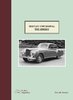
BENTLEY CONTINENTAL THE GENESIS von Davide Bassoli Geschichte und Fakten zum legendären Bentley R Continental in einer Art und Weise wie nie zuvor präsentiert. Veröffentlichungs-Datum: Juni 2022, Festeinband, 300x207 mm, 204 Seiten plus 7 Einlagen = 236 Seiten gesamt, 266 Fotos (viele nie zuvor veröffentlicht), Preis 220 EURO |
235,40 €
*
|
|
|
|
|
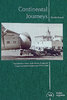
CONTINENTAL JOURNEYS von Davide Bassoli ist eine umfassende Abhandlung zu Bentley R Continental und S-Series-Continentals von 1952 bis 1965. Festeinband in stoffbezogenem Schuber, 320x443 mm, 456 Seiten, 566 Abbildungen (155 mono, 411 in Farbe), mit detaillierten Auflistungen aller jemals gebauten Automobile sowie Angaben zu Karosserie-Ausführungen, ersten Besitzern, Händlern, Details zu Farb- und Leder-Varianten ebenso wie zu den original georderten Extras. |
256,80 €
*
|
|
|
|